Monday, February 20, 2012

Net-winged Mantids

We have had several Net-winged Mantids (Neomantis australis) turn up around the yard in recent days. They are delicate and active little mantids, very ready to take to the wing. Due to their relatively small size (20mm), they only take small prey. Insects presumably form the bulk of their prey, but I have observed them taking small spiders. They often dart forward considerable distances to it to capture it rather than waiting for it to come to them.


A close-up of the tegmina (fore-wings).

Friday, February 17, 2012

Watching the cricket in the sun

Crickets aren't typically a group of insect that you would associate with sun-basking. This one, Myara sp. certainly seems to be comfortable in bright daylight, and seems to make an effort in the early morning to directly expose itself to direct sunlight. There were numerous individuals of this species sitting prominently upon the leaves of small trees near Speewah, (west of Kuranda).

King of the tree. This cricket (Myara sp.) was feeding at the top of a small Corymbia torreliana tree. Below it black ants (Iridomyrmex sp.) a sugar ant (Camponotus sp.) and a small caterpillar also go about their business.

Another cricket of the same species sitting in the early morning sun.

Thursday, February 16, 2012

Jumrum wanderings

A few offerings from around Jumrum Creek.

Just hanging around; a male orb-weaver (Eriophora sp.) suspended by silken lines. Males often hang like this adjacent to the webs of females, however this guy appeared to be on his own. 

A Rainforest Grasshopper (Desmoptera truncatipennis). This species spends the day hidden within the leaf litter, then moves up the plants to feed at night.

There were numerous small native cockroaches our gleaning food off leaf surfaces. I think this is Carbrunneria sp.

A tiny but spectacular cockroach (Mediastinia sp). The outer margins of the pronotum and tegmina are perfectly transparent, almost invisible.

This is our first encounter with this spider, and I'm yet to identify it. It appears to be a Saprassid (huntsman) although very small. This is an adult male, but less than 10mm in body length. He is missing his left front leg, possibly from an encounter with a predator or with female of his own species. 

A water spider (Dolomedes species). This individual is hunting at the edge of a small isolated pool of water. It has four legs in contact with the water sensing for vibrations coming from its prey, hence the water is effectively its web.

A male water spider of the same species. 

These tadpoles were massing in a shallow pool which had become separated from the creek due to the dry spell we are having. I suspect they are Stony Creek Frog tadpoles (Litoria jungguy),  as this species has been the most active in recent weeks.

A Giant Water Spider (Megadolomedes australianus). These spiders have extremely long legs and grow to considerable size (about the span of a large huntsman). They prefer flowing water as opposed to Dolomedes which tend to prefer still water. This specimen is a sub-adult and was hunting in a reasonably fast flowing section of  Jumrum Creek.

A knobbly weevil sitting upon pandanus.

A very cryptic crab spider (Stephanopis sp.) on the bark of a tree. These spiders are ambush hunters and simply wait with legs outstretched when hunting. Prey is seized and bitten immediately, and sometimes consists of insects much larger than the spider.

Monday, February 13, 2012

Leaf Lovers

A couple of leaf-eating insects have caught our eye over recent days. A very hairy caterpillar, found feeding on Cadagi (Corymbia torreliana) was given to us for identification. It is a Tussock Moth Caterpillar from the family Lymantriidae. These caterpillars are covered in hairs that can cause irritation for other animals that come into contact with them. Many species in this group have 4 dense vertical tufts of hair on their backs. These tufts are present with this specimen, but less distinct due to the abundance of other hairs.

The hairless head capsule of the caterpillar stands out in contrast to the body.

The caterpillar from above whilst feeding.

Caterpillars are feeding machines, packing as much food in as quickly as possible. This species seems to favour Cadagi (Corymbia torreliana).


The other striking leaf-eating insect we found was a green Extatosoma tiaratum. These are relatively common, but due to their camouflage are seldom seen. They feed on a wide variety of plants and most adults are various shades of brown. We have worked with this species in captivity for many years and their choice of food plant certainly does affect their colour. We found this bright yellow-green specimen feeding on Native Mulberry (Pipturus argenteus).

The adult yellow-green Extatosoma tiaratum


Saturday, February 4, 2012

Around the yard

Over the last month or so we have had a number of young Golden Orb-weavers (Nephila pilipes piscatorum) appear around the yard. Some are now reaching maturity, and the tiny males are finding and staking out the huge females. Another fascinating aspect of the lives of Nephila is the almost guaranteed appearance of kleptoparasitic spiders (Argyrodes sp.) within their webs.  These tiny spiders sneak in to share larger prey with their giant hostess, but also collect any tiny insects which are snared in the web.

A sub-adult Golden Orb-weaver (Nephila pilipes piscatorum) with her tiny suitor waiting patiently above her.

A tiny kleptoparasitic spider (Argyrodes sp.) photographed on the outer line of the Nephila web at night.

We have also had a number of adult Spine-collared Phasmids (Parapodacanthus hasenpuschorum) visit the lights over recent weeks. We cultured this species in captivity for the first time last year, collecting almost 900 eggs from three females. The eggs took just over 3 months to hatch and the insects matured in around the same period. This species is a reasonably selective feeder; only known to feed upon Aspens (Acronychia spp.) and Corkwood (Melicope elleryana). The Hard Aspen (Acronychia laevis) is the local species we utilised as a food plant.


A female Parapodacanthus hasenpuschorum that visited our lights recently.

The same specimen close-up showing the prominent collar of spines.

Thursday, January 26, 2012

The return of the macro lens…finally!

I parted with my beloved macro lens at the end of October to get 4 months of Costa Rican fungal growth removed from the internal elements – it has finally been returned.  I’ll spare you the descriptions of all the great shots I’ve missed while not having it, but it has been a frustrating few months without a lens!  

Sunday, October 30, 2011

Faces of Costa Rica

We are on the brink of leaving this amazing place, so I thought I might post a few of the faces we have encountered on our journey. Of course they are not human (although we did meet many wonderful people during our stay); these faces belong to the creatures that captivate us and inhabit these rich rainforest habitats.

A juvenile Hoffmann's Two-toed Sloth (Choloepus hoffmanni.)

Giant Peppered Cockroach (Archimandrita tesselata)

Basilisk (Basiliscus basiliscus)

Black Jungle Stalker (Ctenidae)

Black-tailed Scorpion (Centruroides bicolor)

Horned Katydid, (Copiphora cultricornis)

Fishing spider (Pisauridae)

Hawk moth (Sphingidae)

Leaf-tailed Mantis (Mantidae)

Giant fly, unknown species

Unidentified moth

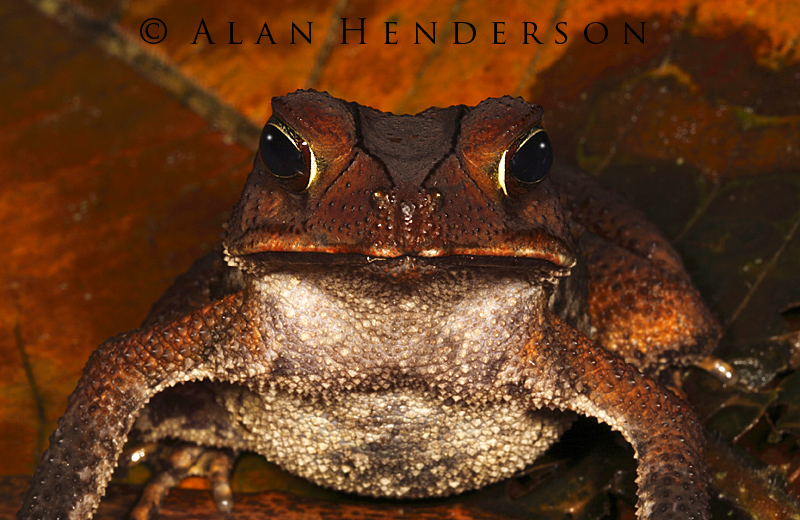
Wet-forest Toad (Ollotis melanochlora formerly Bufo melanochlorus)

Pink-jawed Katydid (Neoconocephalus sp.)

Unidentified wasp

Amblypygid (Phrynus pseudoparvulus)

Orange-faced katydid - unidentified species

Eyelash Viper (Bothriechis schlegelii)

Glass Frog (Hyalinobatrachium sp)

Huntsman spider (Sparassidae)

Green and Black Poison Dart Frog (Dendrobates auratus)

'Sunburst' raspy cricket (Gryllacrididae)

Owl Butterfly caterpillar (Caligo memnon)